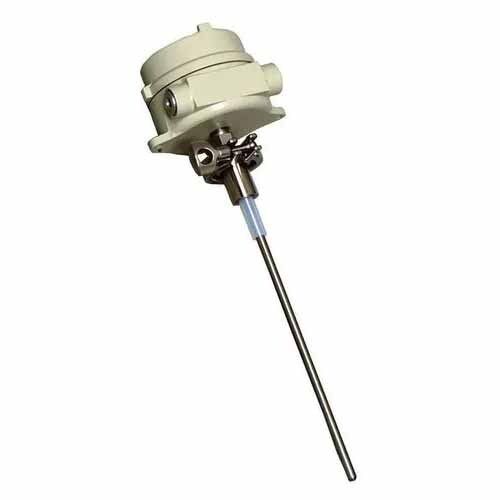
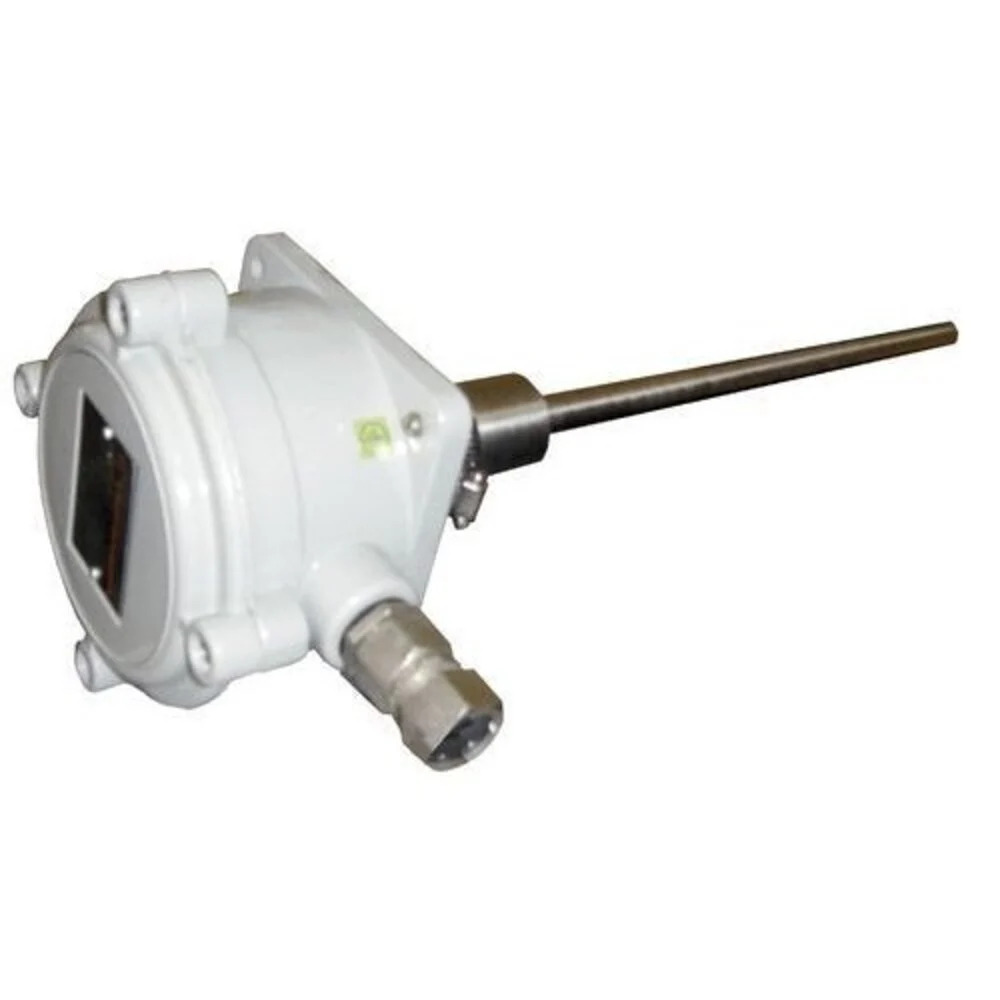
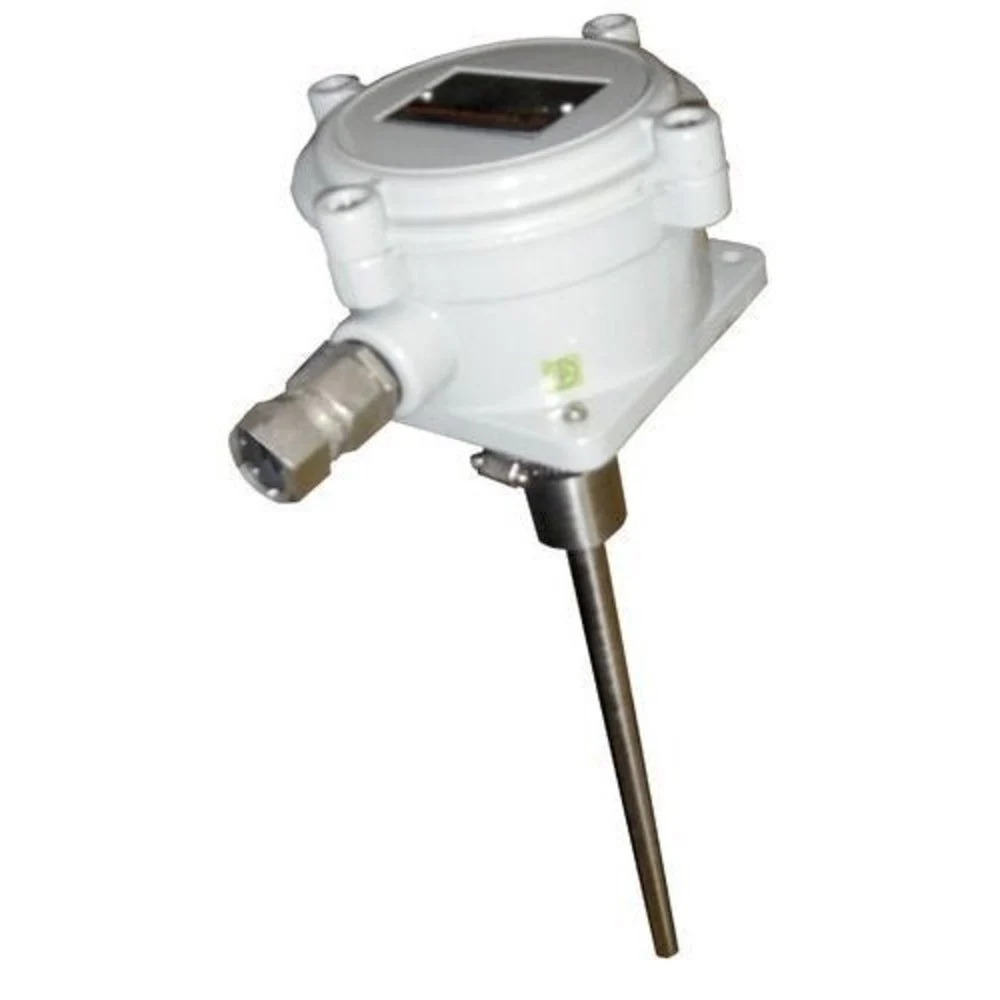
About 10mm Broken Bag Detector
| Material | Stainless Steel |
| Construction | 316 Grade Stainless Steel |
| Installation Communications at Length | 1000 meters |
| Installation Socket | Single 1 Flat Flange Facing |
| Alarm Data Logging | Graphical LCD Dot Matrix Display Inbuilt Data Logging System |
| Brand | Soarmlich Engineers |
| Duct Width | 50 mm |
| Measurement Technique | Triboelectric Charge Transfer |
| Measurement Sensitivity | Adjustable |
| Measurement Ranges | 1-1,000mg/m3 |
| Output | 20mA |
| Measurement Response Time | Instantaneous |
| Voltage | 24VDC |
| Sensor Diameter | 10 mm |
| Measurement Operating Temp (Ambient) | -20 to 70 Degree Celsius |
| Installation Poisoning | 90 Degree Celsius |
| Material Grade | SS316 |
| Alarm Type | Industrial Hotter |
| Frequency | 50Hz |
| Measurement Flue Gas Temperature | 0-250 Degree Celsius |
Technical Details 
Advanced Detection TechnologyUtilizing triboelectric charge transfer, this detector accurately identifies particulate emissions resulting from broken filter bags in industrial environments. Its sensitive measurement capabilities provide reliable monitoring, minimizing unplanned downtime and maintaining compliance with emissions regulations.
Durable Stainless Steel ConstructionManufactured from high-grade 316 stainless steel, the detector is built to withstand corrosive industrial atmospheres and harsh temperature fluctuations between -20 and 70C ambient. The single flat flange facing design ensures secure installation on ducts, enhancing longevity and performance.
Intelligent Data and Alarm SystemThe inbuilt graphical LCD dot matrix display with data logging allows for real-time visualization and historical tracking of emission events. The industrial-grade hotter alarm promptly notifies operators of filter failures, enabling quick intervention and process reliability.
FAQ's of 10mm Broken Bag Detector:
Q: How does the 10mm Broken Bag Detector operate in industrial environments?
A: This detector uses triboelectric charge transfer technology to sense particulate matter emitted when a filter bag fails. Installed on a duct with a 50mm width and mounted using a 1 flat flange, it delivers real-time detection and alarms operators via instant response outputs.
Q: What are the benefits of adjustable measurement sensitivity in this detector?
A: Adjustable sensitivity allows users to fine-tune the device to accommodate different particulate concentration ranges (1-1,000mg/m3) and process conditions, ensuring optimal performance for various industrial applications.
Q: When should the data logging feature be used?
A: The built-in graphical LCD data logging system is essential for continuous emission monitoring, compliance reporting, and diagnosing filter failures. It enables users to track and analyze particulate data trends over time.
Q: Where can this detector be installed, and what are the requirements?
A: The detector is designed for installation in process ducts requiring a 10mm sensor diameter and a single flat flange facing. Wiring supports RS485 communication up to 1000 meters, making it suitable for large facilities.
Q: What is the process for configuring communication and output signals?
A: Communication is managed through an RS485 interface, allowing integration with existing industrial control systems. Output can be set at 20mA for process signaling.
Q: How is the detector powered and what is the required supply?
A: Operation requires a stable 24 V DC electric supply and 50Hz frequency, ensuring consistent and reliable detector functionality.
Q: What benefits does SS316 construction offer for long-term usage?
A: The use of 316 grade stainless steel offers superior resistance to corrosion and mechanical wear, making this detector ideal for demanding industrial environments with fluctuating humidity, temperature, and chemical exposure.
 Chat with us



 Send Inquiry


 Send Inquiry
 Send Inquiry
 Send SMS
 Call Me Free


