About Broken Bag Detector
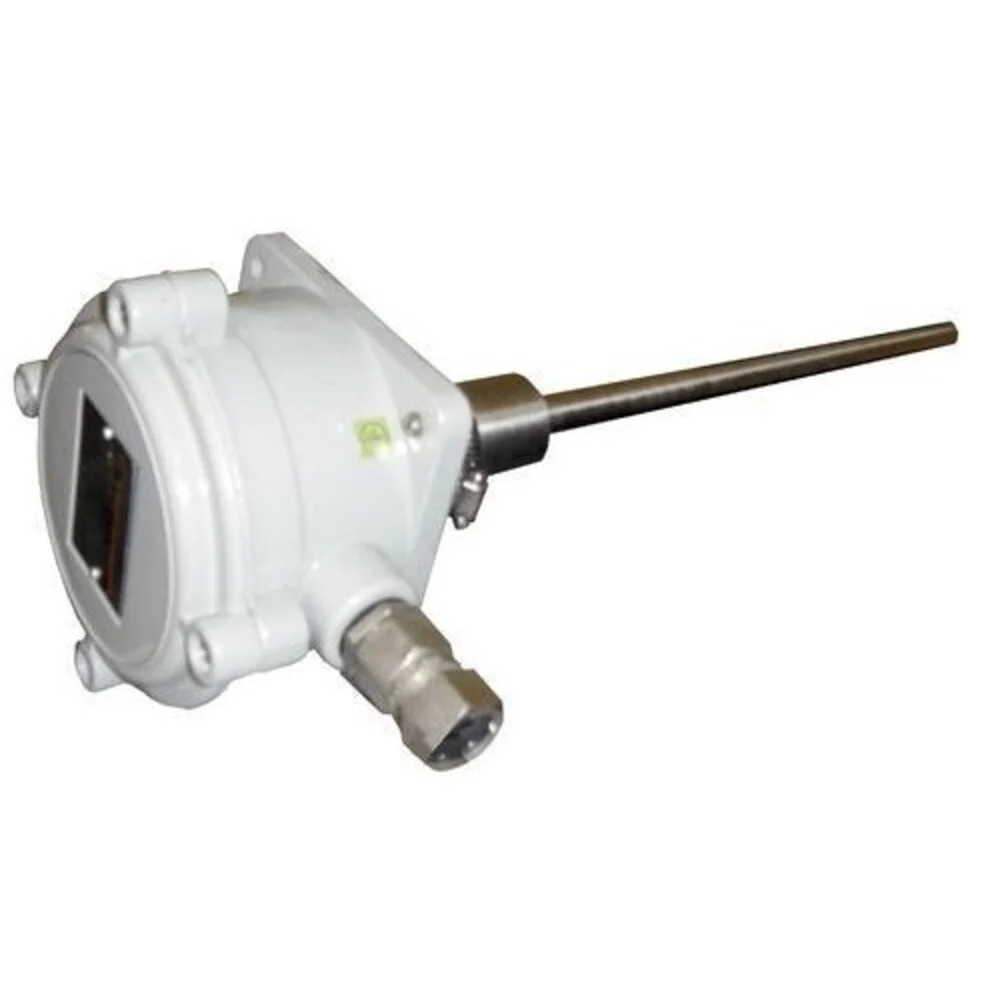
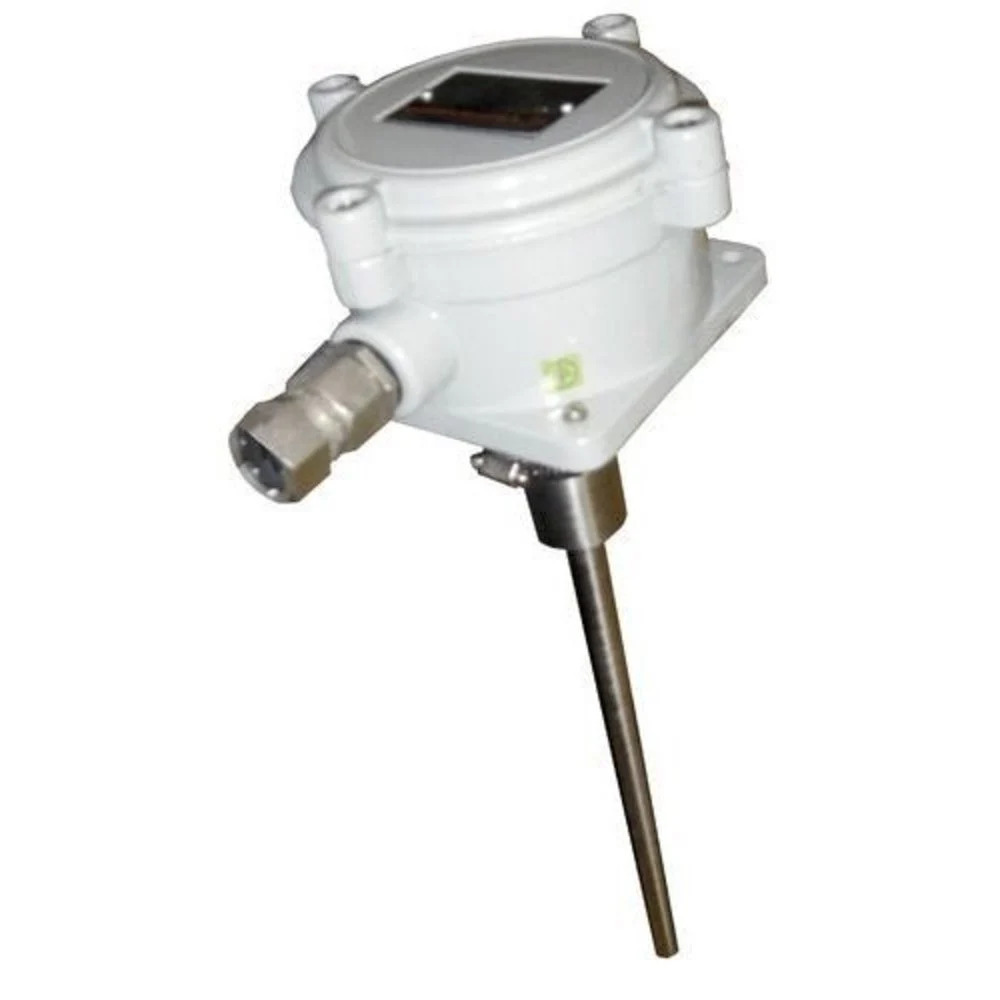
10mm Broken Bag Detector that we propose is engineered mainly for broken bag detection as well as leaking filer deacon in the exhaust duct of cartridge collectors, cyclones, bag houses,and many other collector having filters which may wear out or break. It has great usage in industry of Ferrous / Non-Ferrous Metals, Mining and Minerals, Pharmaceutical, Pulp and Paper, Fly Ash, Cement, Food Processing, Chemical Processing, Carbon Black and so on. It benefits the products loss, damage equipment control of emission and pollution, and contamination of production line. Further,10mm Broken Bag Detector is available in varied specifications and models.
Product Details:
| Alarm Data Logging | Graphical LCD Dot Matrix Display Inbuilt Data Logging System |
| Alarm Type | Industrial Hotter |
| Brand | Soarmlich Engineers |
| Construction | 316 Grade Stainless Steel |
| Duct Width | 50 mm |
| Frequency | 50Hz |
| Installation Communications at Length | 1000 meters |
| Installation Poisoning | 90 Degree Celsius |
| Installation Socket | Single 1 Flat Flange Facing |
| Material | Stainless Steel |
| Material Grade | SS316 |
| Measurement Flue Gas Temperature | 0-250 Degree Celsius |
| Measurement Operating Temp (Ambient) | -20 to 70 Degree Celsius |
| Measurement Ranges | 1-1,000mg/m3 |
| Measurement Response Time | Instantaneous |
| Measurement Sensitivity | Adjustable |
| Measurement Technique | Triboelectric Charge Transfer |
| Output | 20mA |
| Sensor Diameter | 10 mm |
| Voltage | 24VDC |
Technical Details 
High-Precision Monitoring for Industrial ApplicationsEngineered for demanding conditions, the Broken Bag Detector delivers instantaneous detection of filter bag leaks, ensuring compliance and enhanced environmental safety. With a measurement range of 1-1,000mg/m3, it reliably identifies even the smallest particulate leaks in flue gas systems.
Robust Construction for LongevityManufactured from 316 grade stainless steel, the detector is built to withstand high temperatures and corrosive environments. Its sensor endures ambient temperatures from -20C to 70C and flue gas temperatures up to 250C-making it suitable for diverse industrial processes.
Advanced Data Logging and ConnectivityFeaturing an inbuilt graphical LCD dot matrix display with data logging capability and RS485 output, the detector enables both local and remote monitoring. The system's instantaneous response and industrial alarm enhance operational oversight for continuous process control.
FAQ's of Broken Bag Detector:
Q: How does the Broken Bag Detector identify filter bag leaks?
A: The detector uses a triboelectric detection method, sensing changes in particulate flow caused by leaks. As particles hit the sensor-made from SS316 stainless steel-an electrical signal is generated, enabling prompt identification of broken filter bags.
Q: What is the installation process for the Broken Bag Detector?
A: Installation is straightforward and involves mounting the sensor via a single 1 flat flange facing to the duct (50mm width). The detector is designed for flue gas ducts and can communicate over distances up to 1,000 meters using RS485 output.
Q: What ambient and flue gas temperatures can this detector handle?
A: The device operates reliably in ambient temperatures ranging from -20C to 70C and measures flue gas temperatures between 0C and 250C, allowing for diverse placements in industrial environments.
Q: Where can the Broken Bag Detector be implemented?
A: It is suitable for use in industries with filter-based particulate removal systems, such as cement, steel, chemical, and power plants, especially within flue gas ducts where particulate leakage monitoring is essential.
Q: What benefits does the inbuilt data logging system provide?
A: The graphical LCD dot matrix display combined with inbuilt data logging ensures accurate, ongoing record-keeping of particulate levels and alarm events, facilitating easier compliance reporting and maintenance planning.
Q: When should the detector be used to monitor for broken bags?
A: Continuous monitoring is recommended for optimal safety and regulatory compliance, as the device's instantaneous response time ensures any leakage is detected as soon as it occurs.
Q: What are the main advantages of using this model in industrial settings?
A: Key benefits include adjustable measurement sensitivity, robust stainless steel construction, low maintenance, real-time alerts, and seamless integration with existing monitoring systems via 20mA current loop and RS485 communications.
 Chat with us




 Send Inquiry



 Send Inquiry
 Send Inquiry
 Send SMS
 Call Me Free


